
You switch off the light and start calculating. How many hours are left? Why am I not asleep yet? What will tomorrow be like if I do not drop off now? A stopwatch has quietly moved into the part of the day meant for rest.
One evening is not a complete diagnosis
When assessing insomnia, NHLBI considers how often difficulties occur, how long they have lasted and their effect during the day. Remembering one slow start to sleep is not the whole picture. If sleep is affecting your ability to function, it makes sense to discuss the problem with a doctor.
You do not have to deny yourself help while waiting to cross a particular threshold. Being troubled by the situation is enough reason to start asking questions.
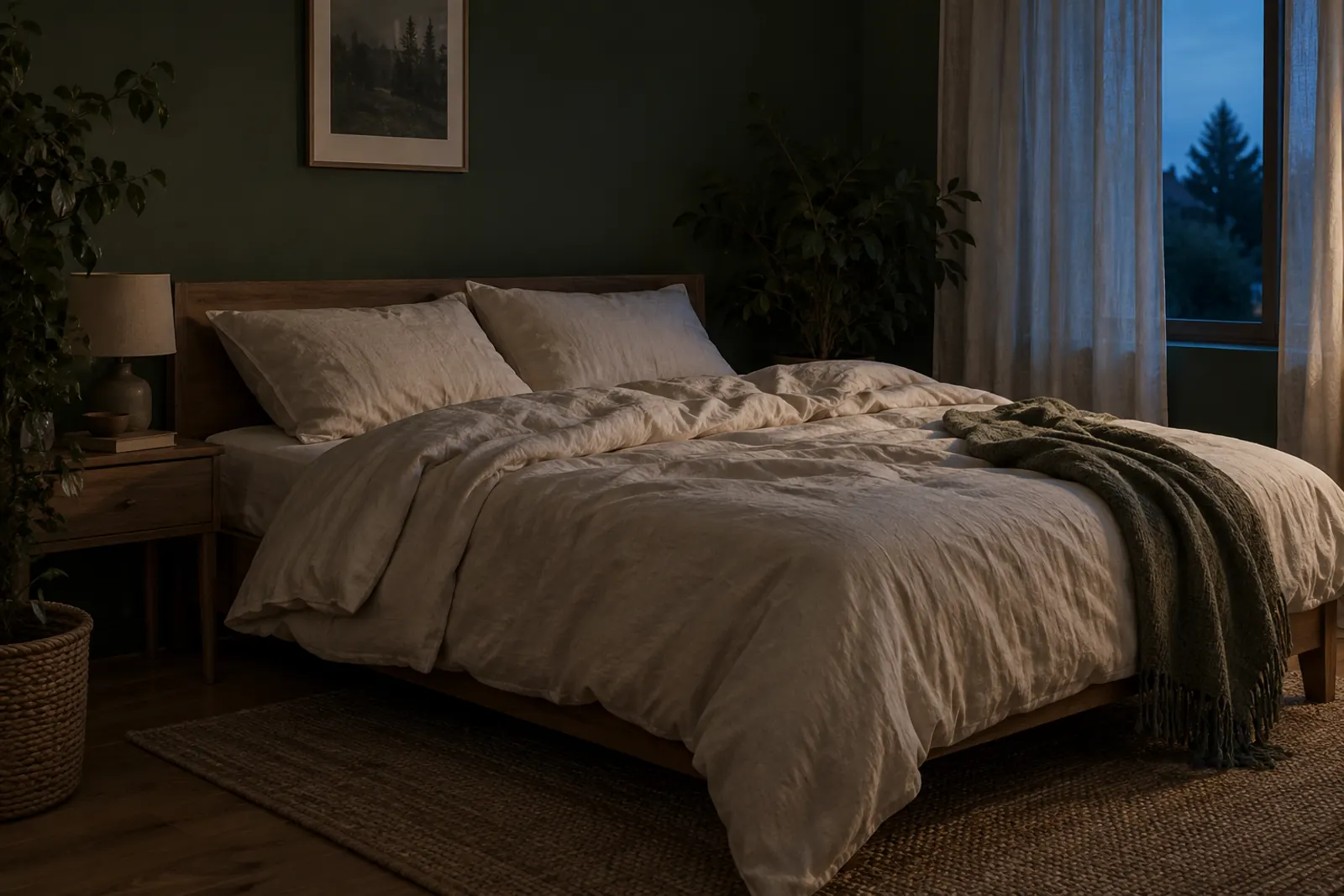
Put away the bedtime scoreboard
Our organisational suggestion is simple: stop setting yourself a performance target for falling asleep. Prepare the conditions you can influence, and leave sleep itself off the task list. This is not a treatment or a promise of an immediate effect. It is a way to avoid adding another obligation to a difficult evening.
If you keep checking your alarm clock's display, you could turn it so the alarm still works but the screen does not invite another calculation. If you need to see the time for another reason, that naturally takes priority.
Save a sentence for the morning
Instead of analysing the night while it is happening, leave room for a brief morning note. How much opportunity did you have to sleep? What disturbed you? What do you need today? Your record need not include precise minutes or an estimate that cost you more time awake.
If the same pattern keeps returning, show your notes to a professional. An internet technique promising “sleep in two minutes” should not be the standard by which you judge your body.
For tonight: prepare for the night, not the stopwatch. You can do several useful things and still not know exactly when you will fall asleep.
Our sources
Research and further reading. Practical suggestions are editorial ideas, not a personalised treatment plan.
Created and translated with AI assistance, with editorial checks and linked sources. No human clinical review has been performed.







